


GLP-1 and Facial Sagging: Understanding Skin Density Loss — and How Cellinol-5 Helps Support Skin Elasticity
GLP-1–based weight loss has changed how many people experience transformation. Results often come quickly, and for many, that progress feels empowering. Alongside these changes, however, subtle shifts in facial skin can appear—changes that are less about aging and more about how skin responds to rapid adjustment.
What is often described as facial sagging after weight loss is not simply a matter of lost volume. In many cases, it reflects reduced skin density and elasticity. When weight decreases faster than the skin can adapt, the support beneath the skin changes, and the skin’s ability to maintain tension and rebound can feel diminished.
In this state, skin is not damaged or broken. It is adapting.
And during adaptation, the skin often benefits most from support rather than aggressive intervention.
Hydration alone can improve comfort at the surface, but elasticity depends on deeper structural processes. Skin needs time and consistent care to help maintain resilience as it adjusts to a new baseline. Without that support, skin may appear looser or less defined, even when it feels moisturized.
From a longevity-focused perspective, the goal is not to recreate facial volume or reverse change. Instead, it is to help support the skin’s natural elasticity and structural balance as the skin recalibrates over time.
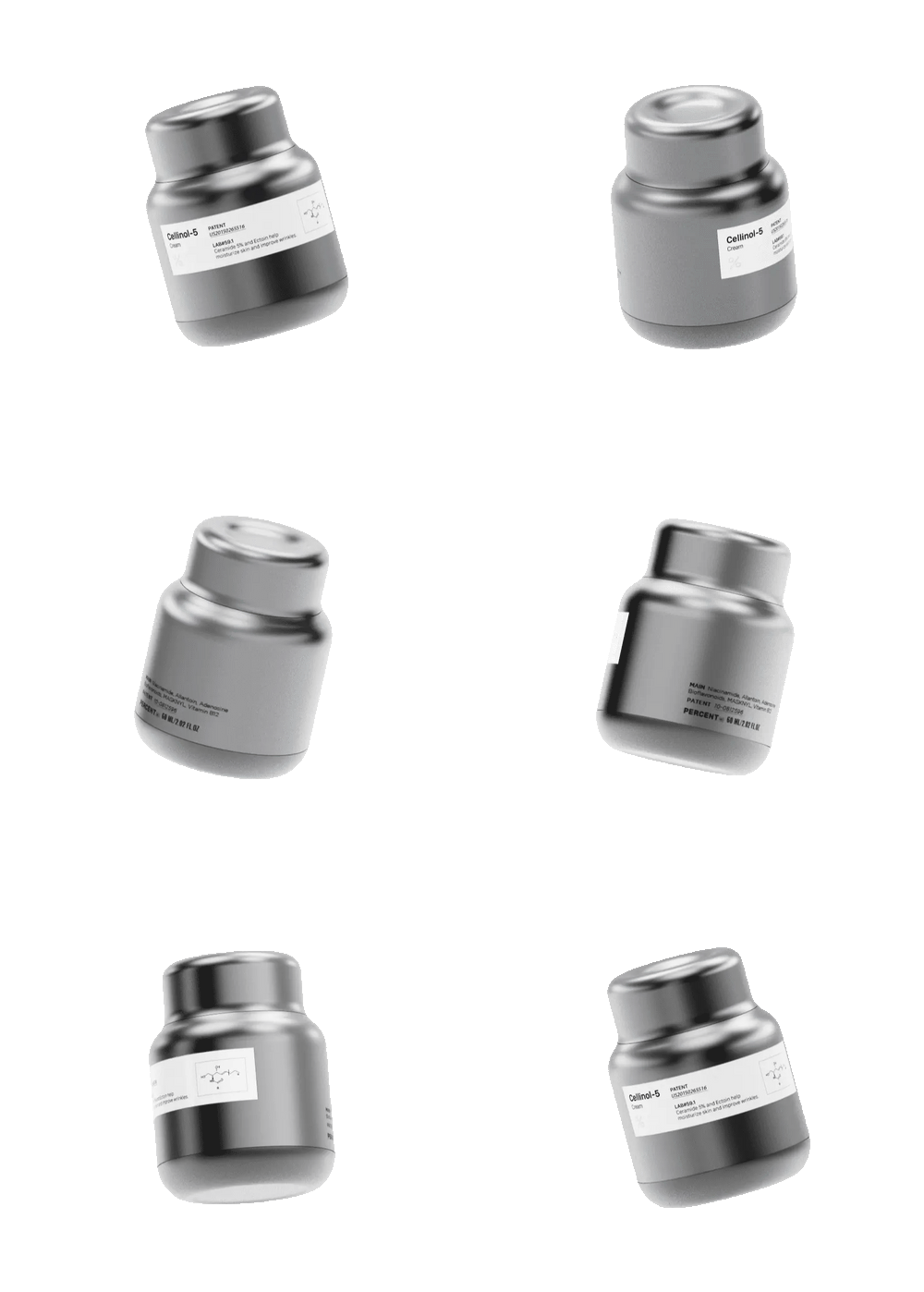
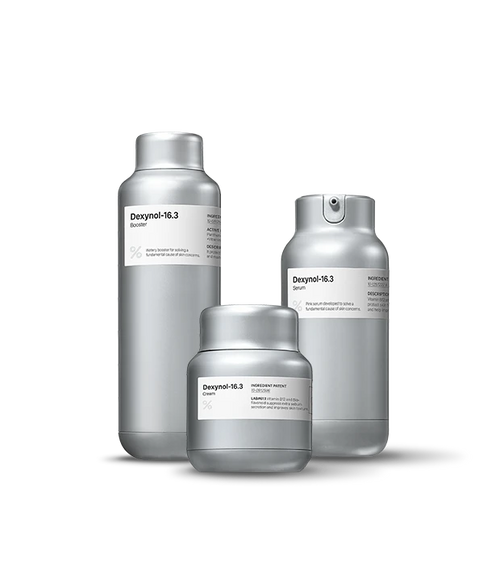
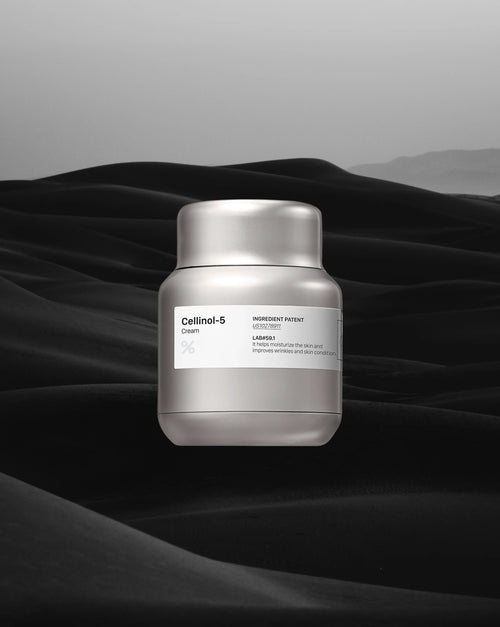
This is where Cellinol-5 Serum and Cream fit into a post–weight-loss routine. Their role is not to replace volume or act as a corrective treatment, but to help support skin as it works through structural change. The serum is designed to help support skin renewal and responsiveness, while the cream helps support barrier stability and overall skin comfort during this transition.
Used consistently, this approach helps support skin that feels thinner, less resilient, or slower to respond than before. It respects the fact that elasticity is not restored overnight and that meaningful change happens gradually, through reinforcement rather than force.
After GLP-1–related weight loss, skin care becomes less about fixing a perceived problem and more about helping skin stay balanced through change. Facial sagging, in this context, is not something to correct, but something to understand—and to support with patience and consistency.
Skin longevity is not about returning to the past.
It is about helping skin remain resilient, supported, and stable as the body evolves.